Fees:
- Object imported from outside the EU. An auction fee is added to the amount bid. It is part of the final price of the object and amounts to 29.5%, and includes VAT charged on a general basis.
- A "droit de suite" fee will be added to the amount auctioned. For the auctioned price with an equivalent value of up to €50,000, the fee rate is 5%. The fee is determined using the average euro exchange rate announced by the National Bank of Poland on the day preceding the day of the auction.
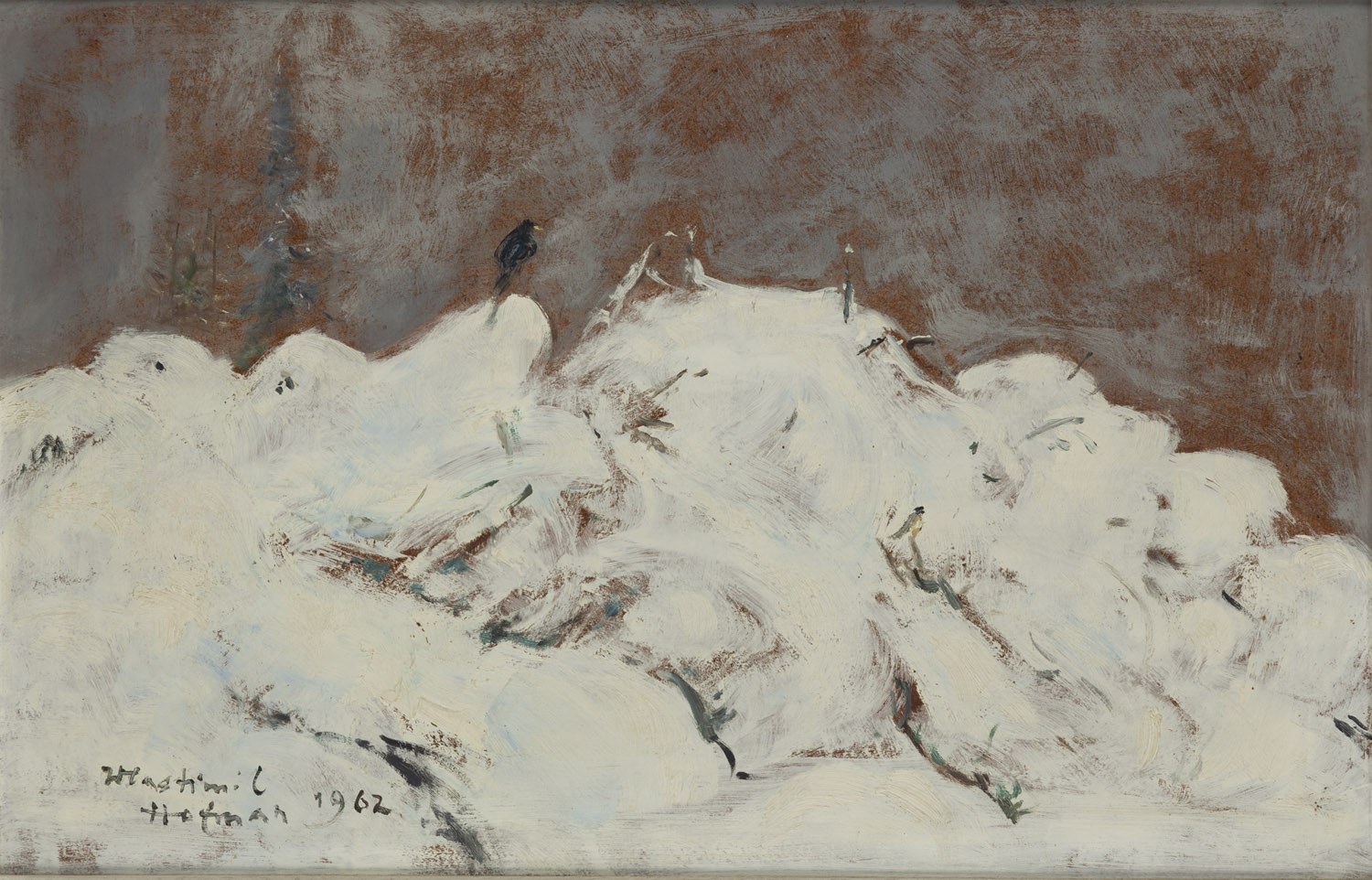
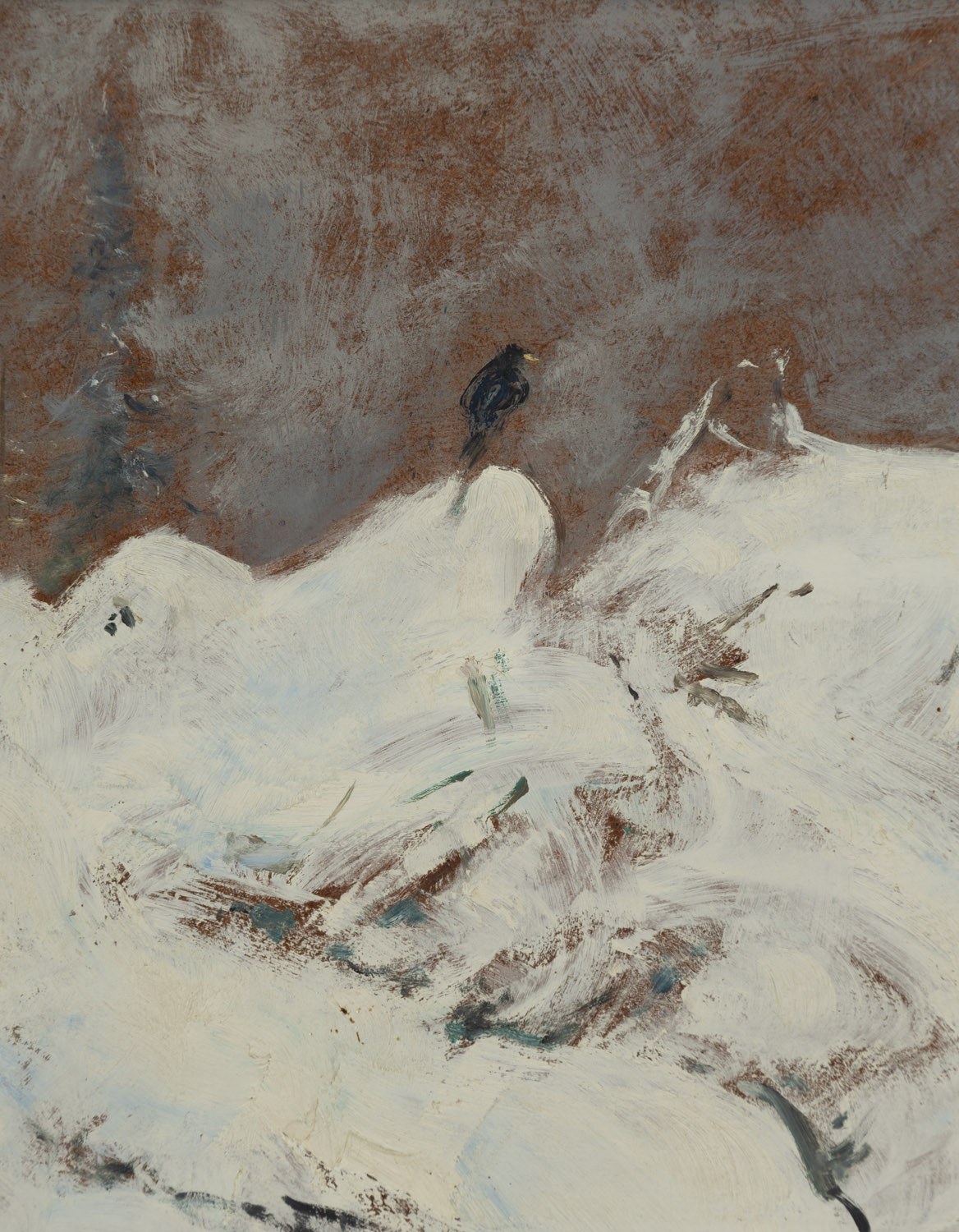
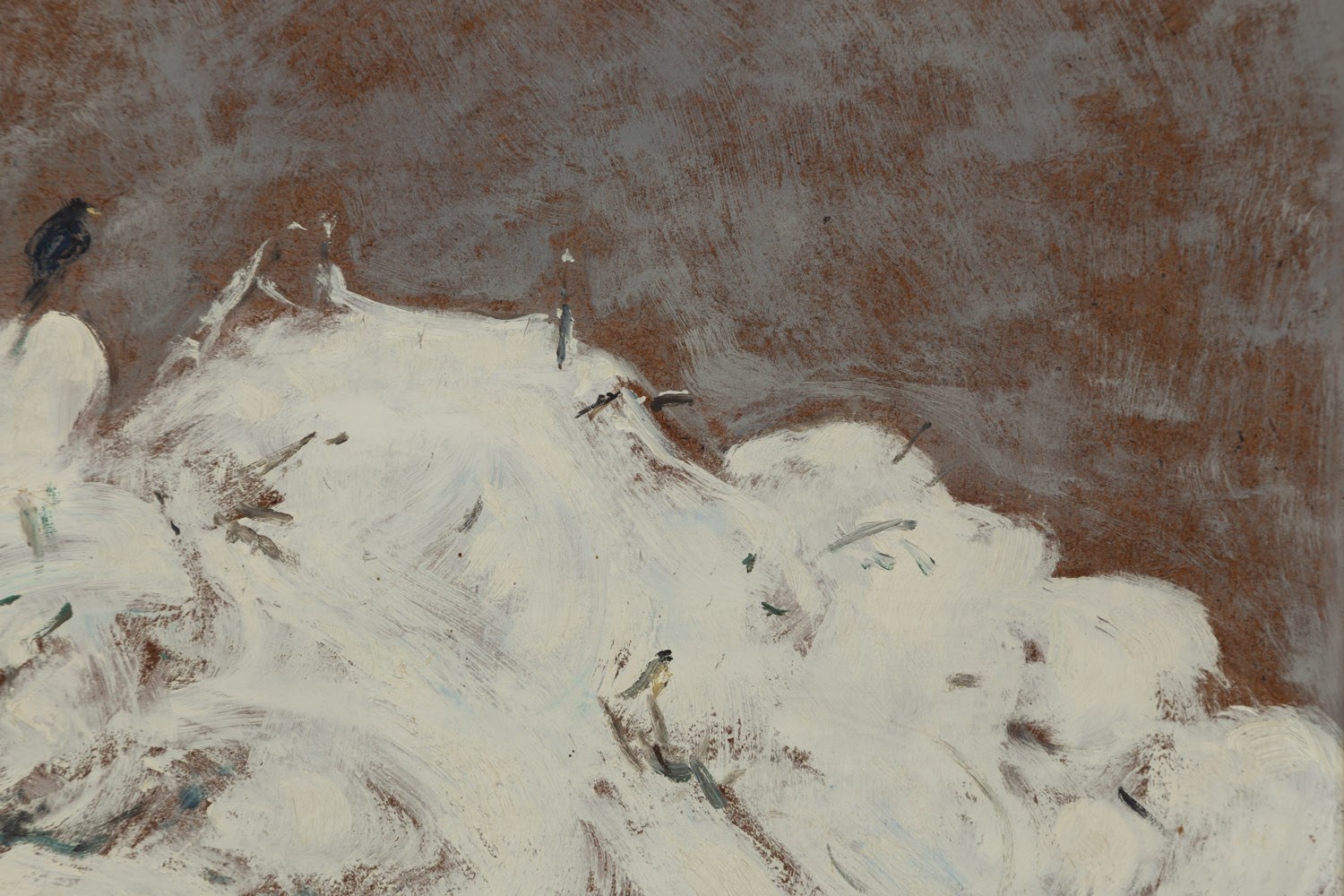
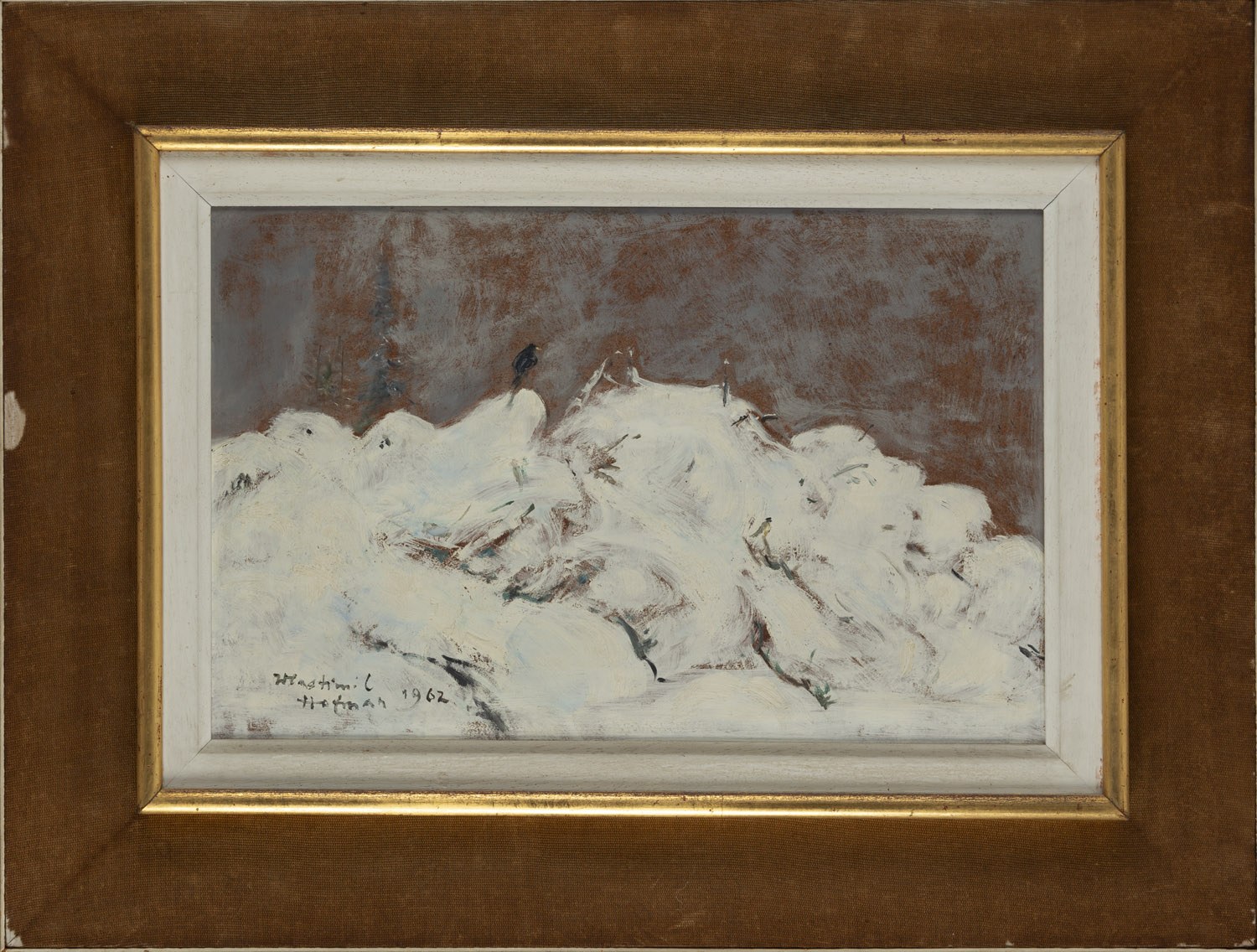
oil/plate
Size: 30 x 46 cm
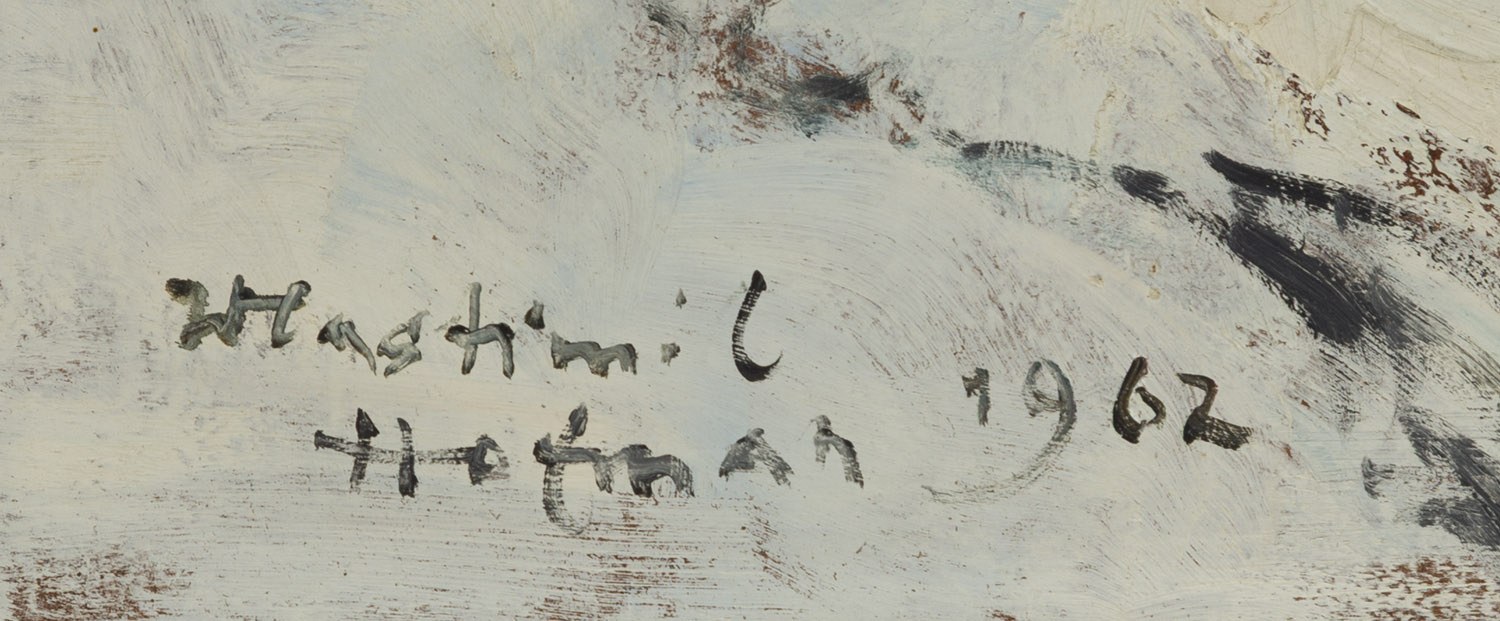
signed and dated l.d.: 'Wlastimil | Hofman 1962'.
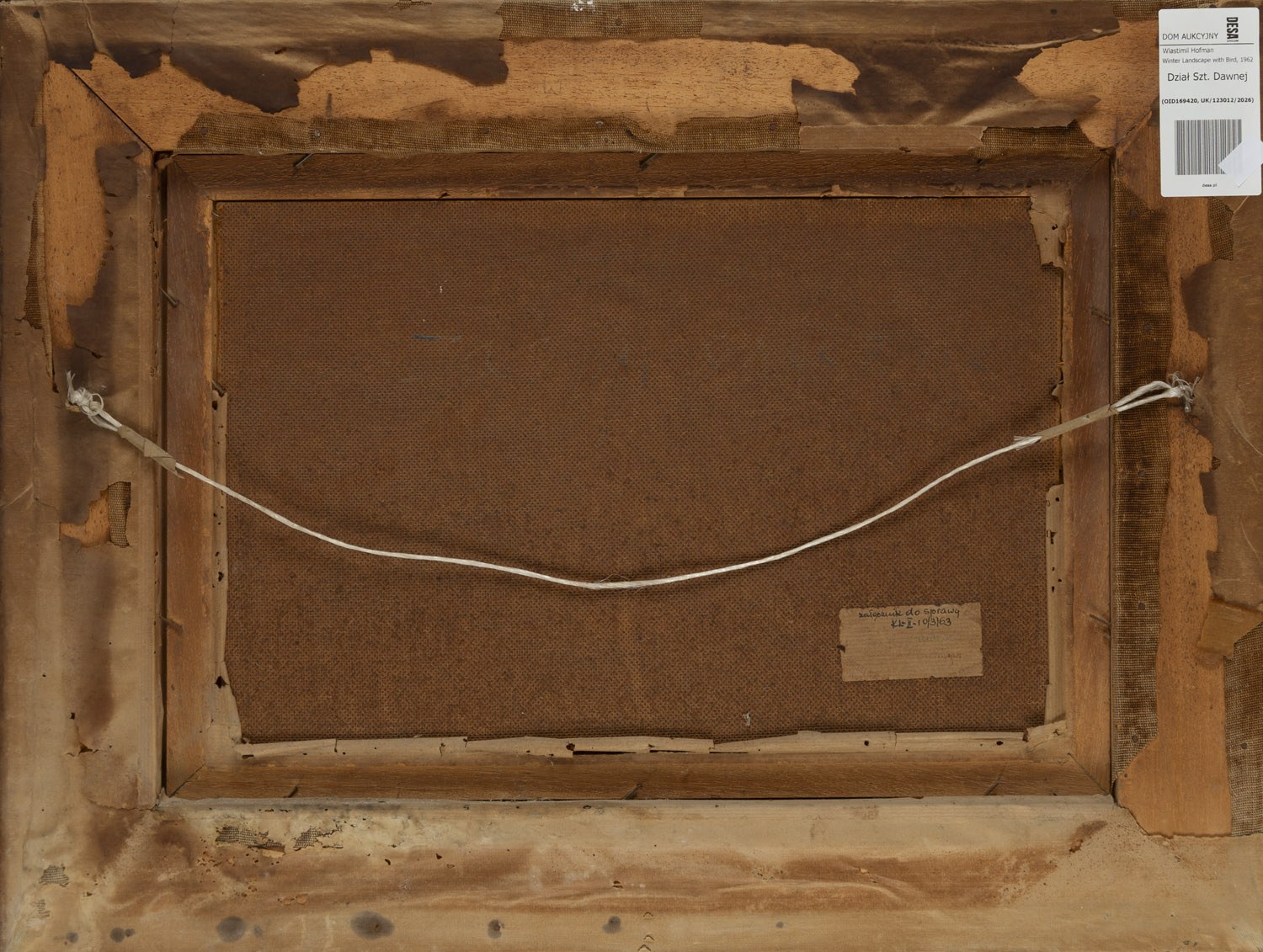
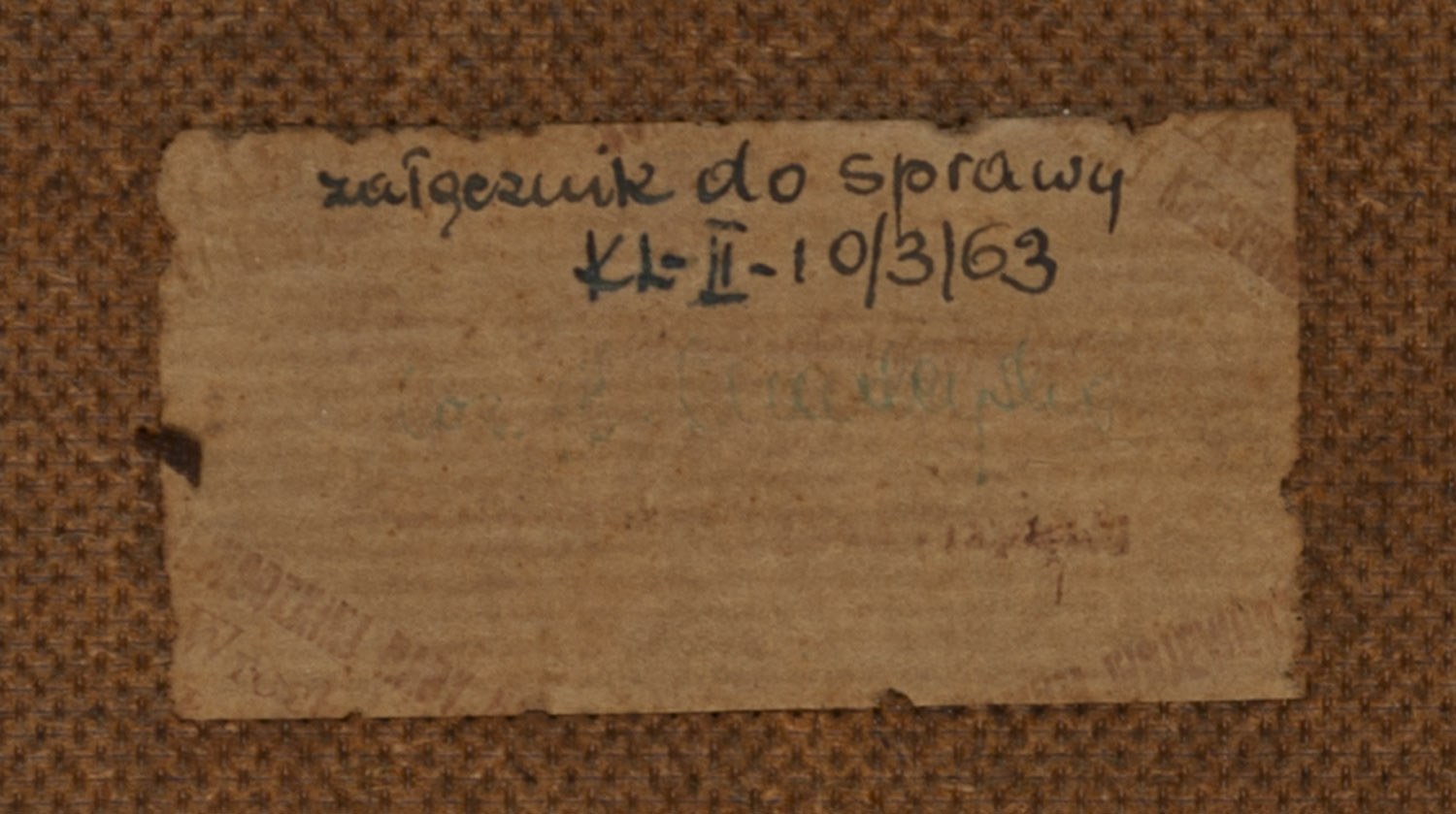
On the reverse, signed by the author: 'Zaspa' and a fragmentarily preserved export sticker
Origin
collection of the Halberthal family, Tel Aviv
Exhibited
Wlastimil Hofman 1881-1970. from the collection of the Halberthal family, Residence of the Ambassador of the Republic of Poland in Israel, May 14, 1992
Biography
Born in Karlin (now a district of Prague), to a Polish-Czech family that moved to Krakow in 1889. Between 1895 and 1899 he studied at the School of Fine Arts in Cracow under Florian Cynk, Jozef Unierzyski and Jan Stanislawski. However, he was most influenced by the work of his master, Jacek Malczewski. Under his wings, Hofman developed his characteristic language of forms, imbued with symbolism. From 1899 to 1901 he stayed at the Paris Académie des Beaux-Arts, where he studied in the studio of academician Jean Léon Gérômea. From 1902, he regularly exhibited his works. During World War I, he stayed in Prague, where he met his future wife, Ada. In 1919, the couple travels to Paris. The following year he gets married and settles in Cracow, where he builds his house and painter's studio on Spadzista Street (now Wlastimil Hofman Street). The interwar period is a time of dynamic development for the artist. Hofman painted a lot. Numerous exhibitions of his works were organized. After the outbreak of World War II, he and his wife went into exile in Palestine, where they created numerous portraits and landscapes. At the end of the war, Hofman became embroiled in a conflict of a political nature and returned to the country in 1946. In Krakow, his art no longer received such a positive reception from the public. Increasingly negative criticism was also heard. The couple therefore left for Szklarska Poreba, where they settled in a house-studio called Wlastimilowka. In his work spanning several decades, Hofman remained faithful to the same ideals. He was a member of the Society of Polish Artists "Art," the Zero Group, the Group of Five and the Vienna Secession, among others.