


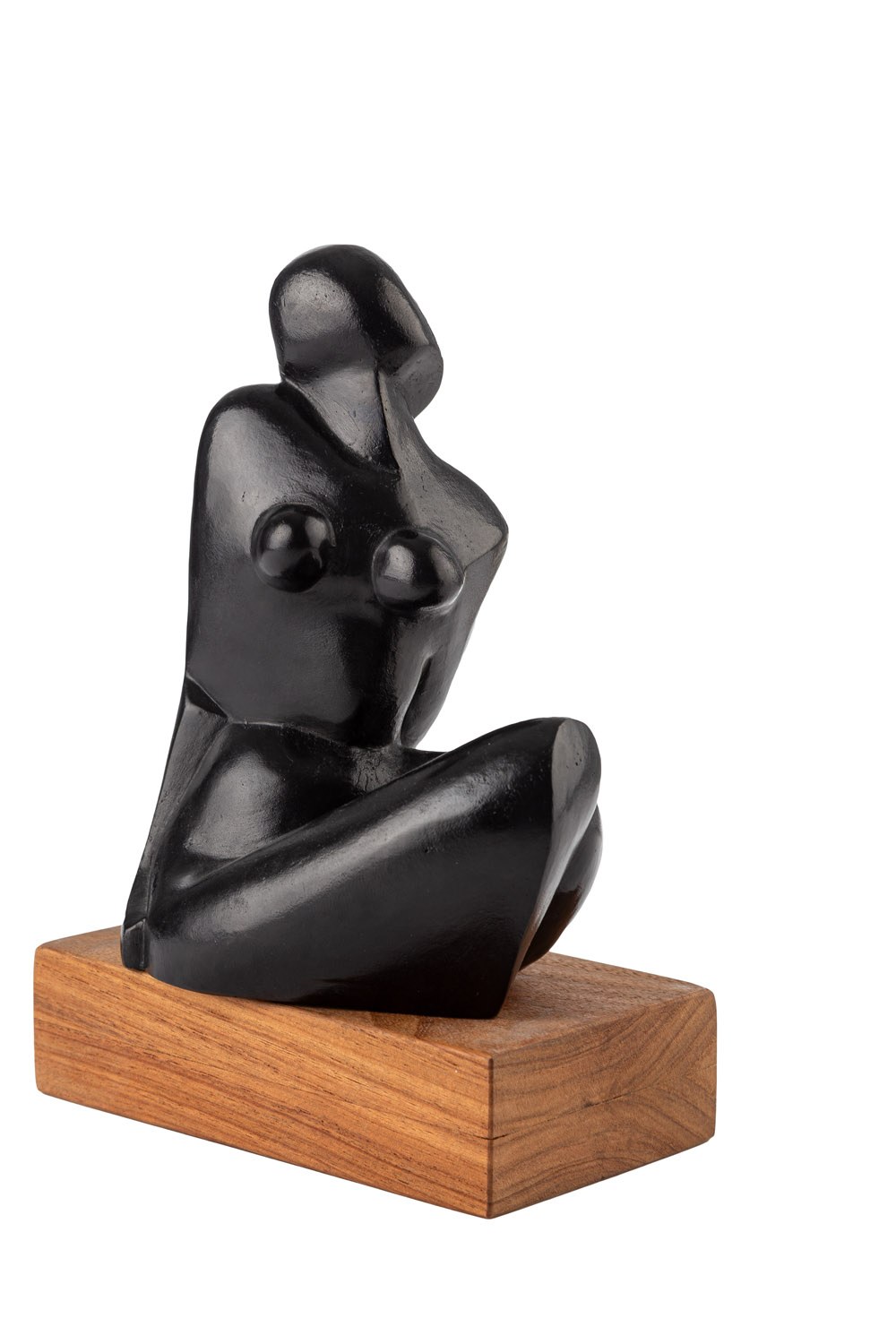
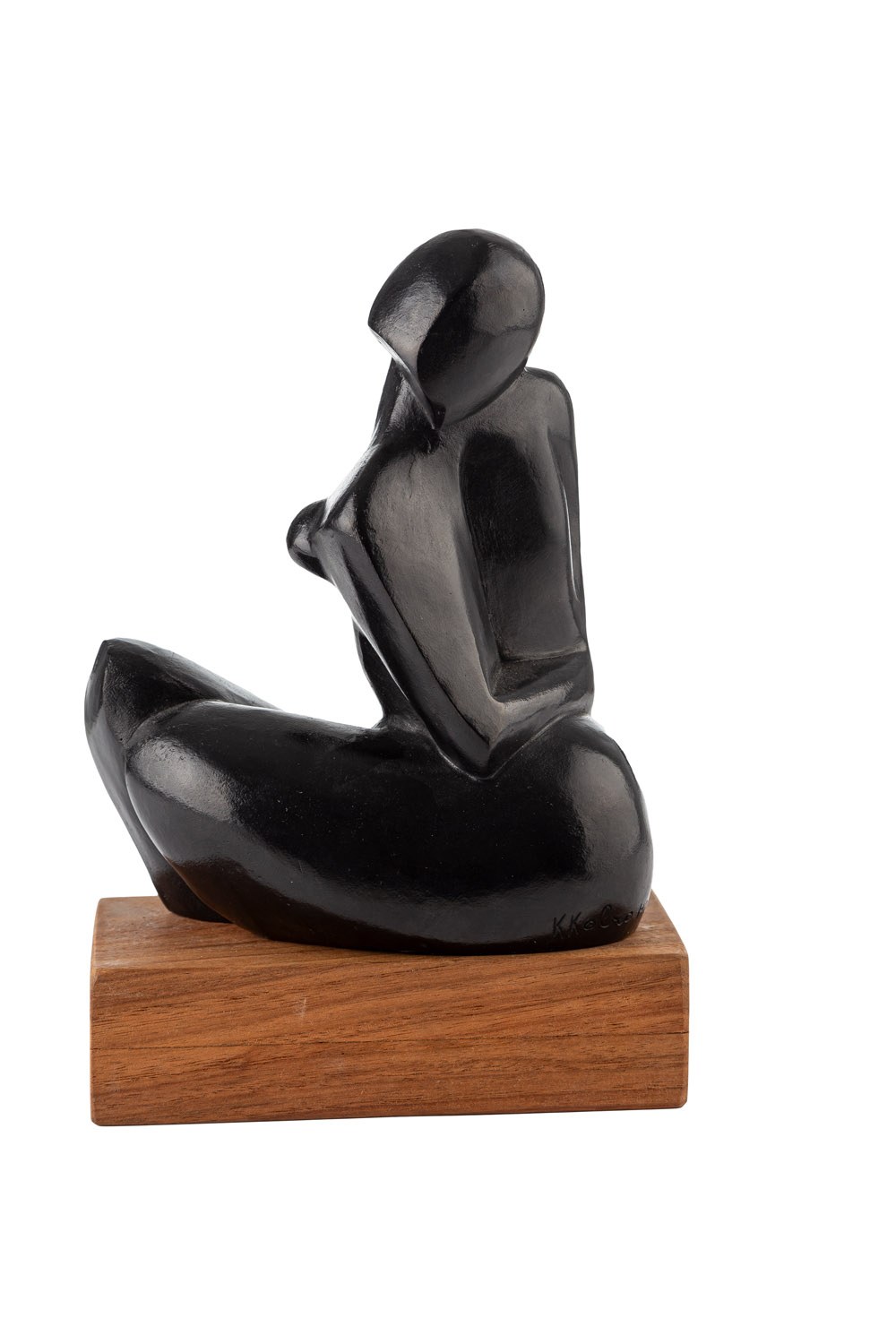
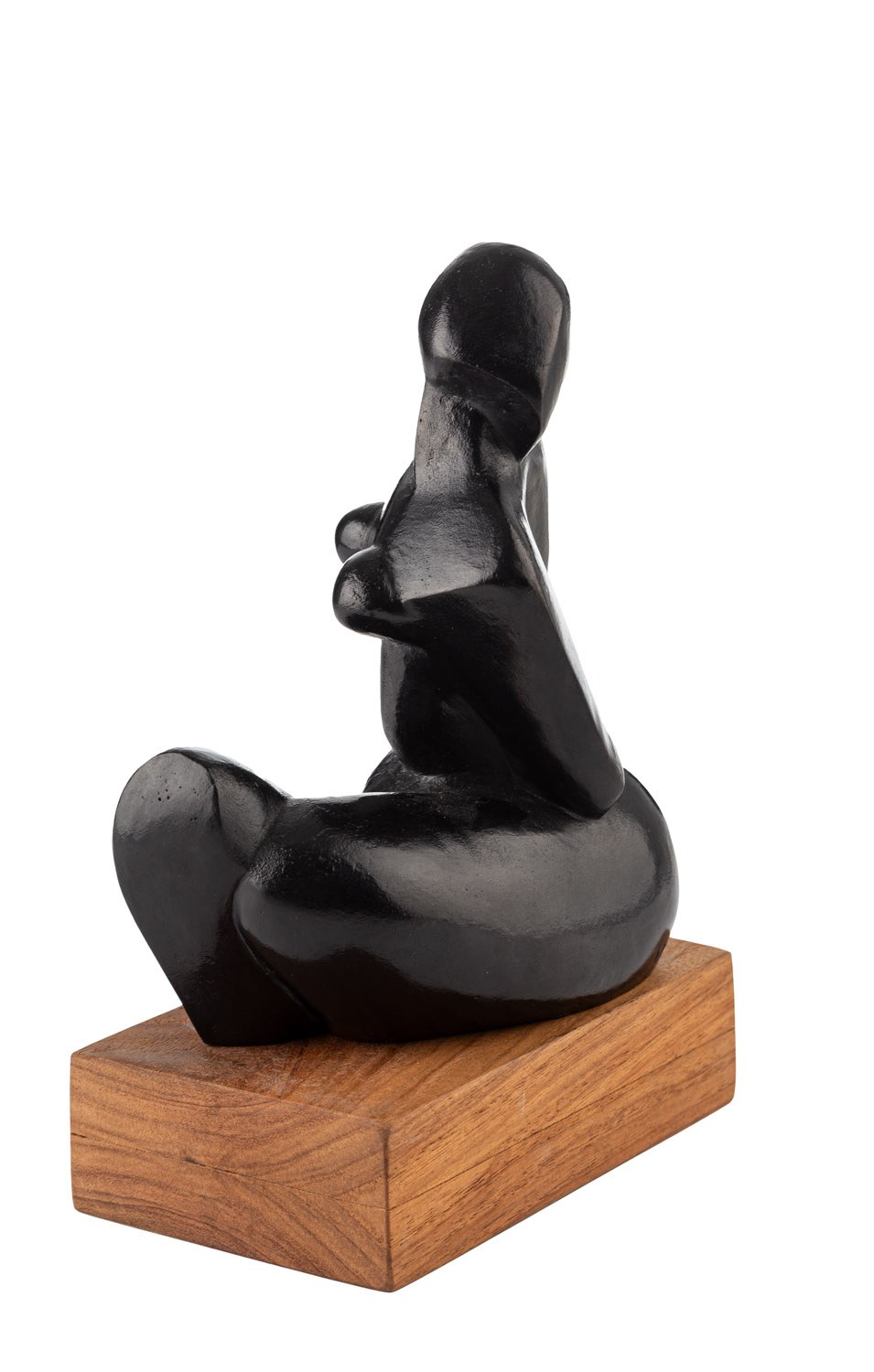
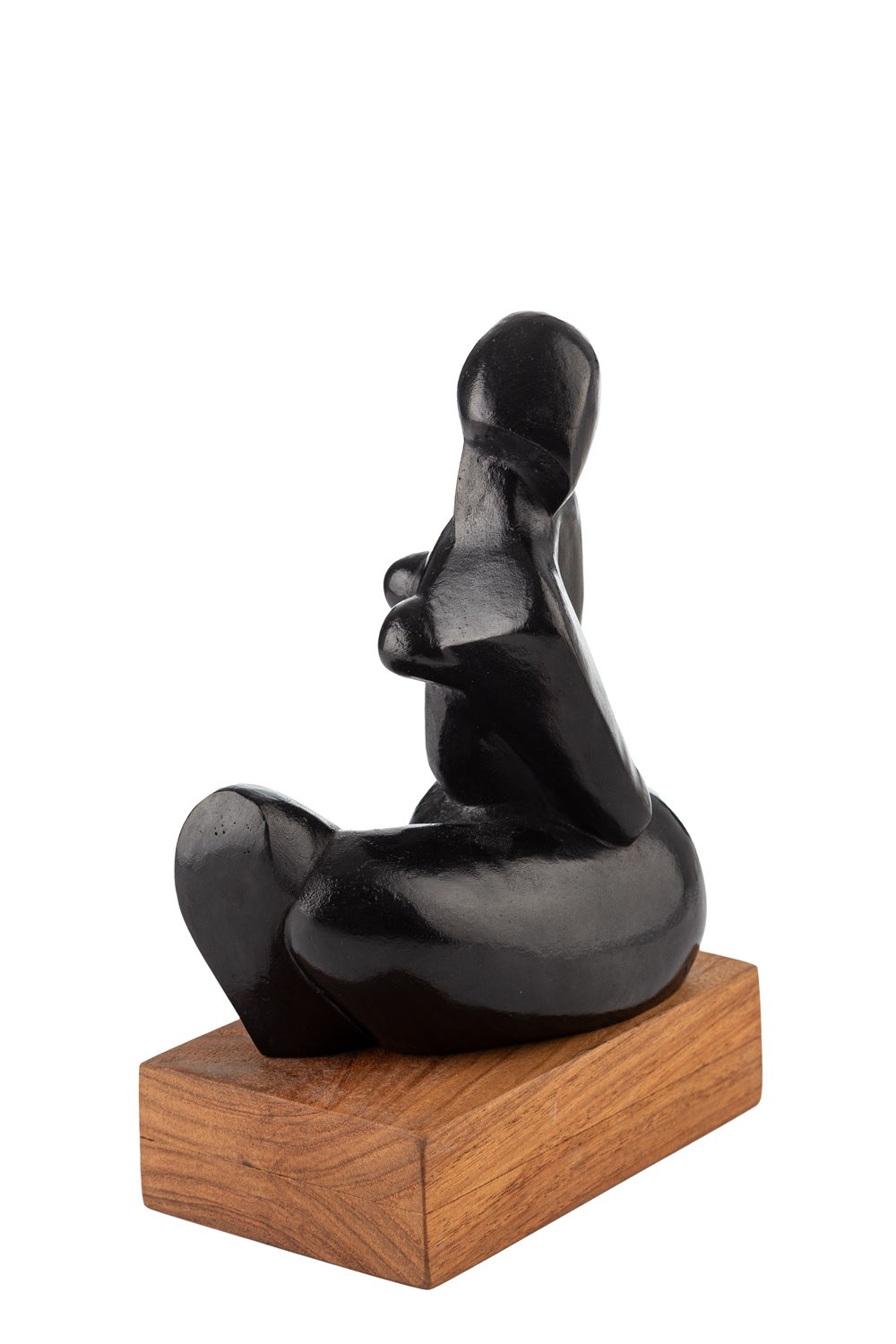
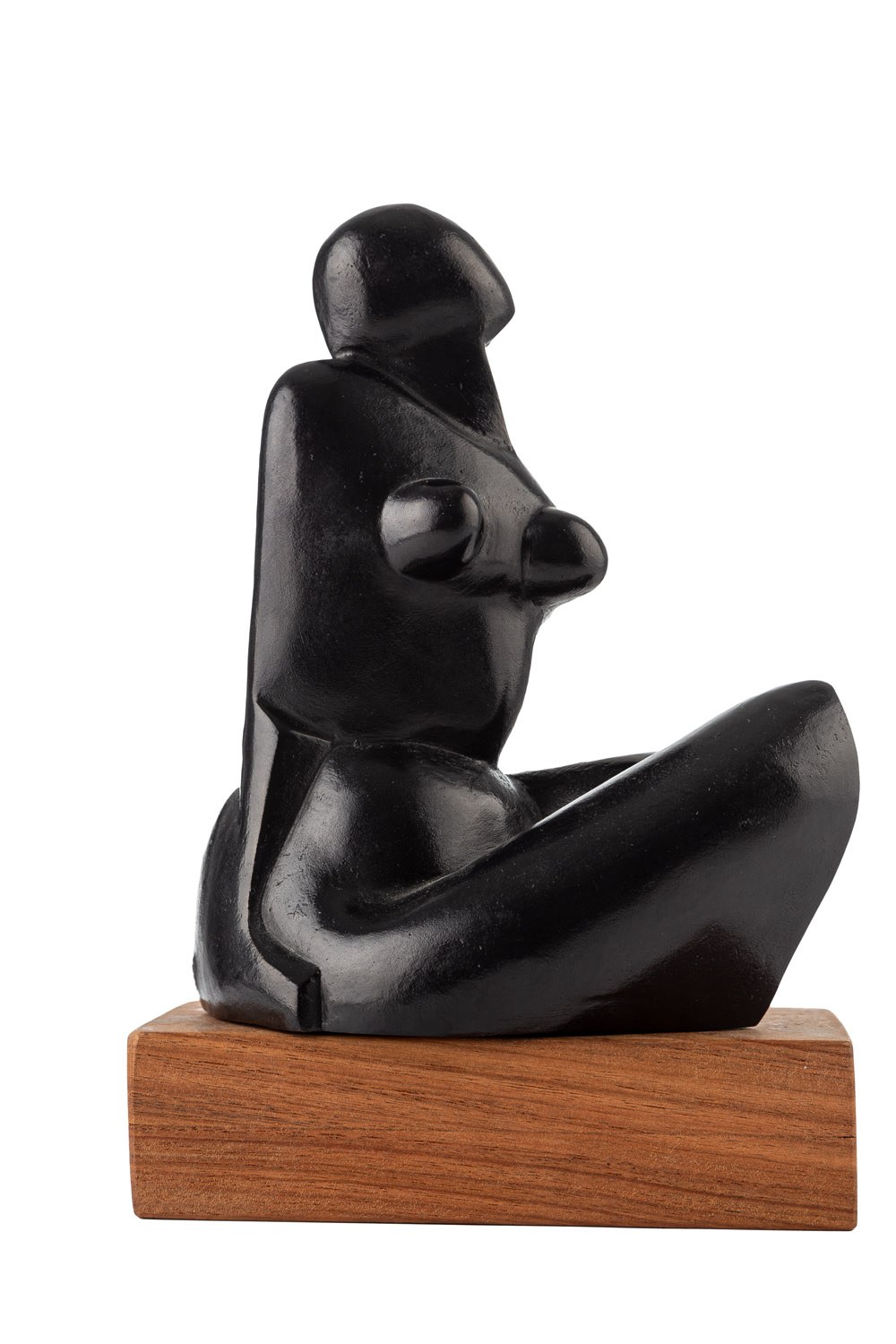
Dimensions: 21 x 14 x 11.5 cm
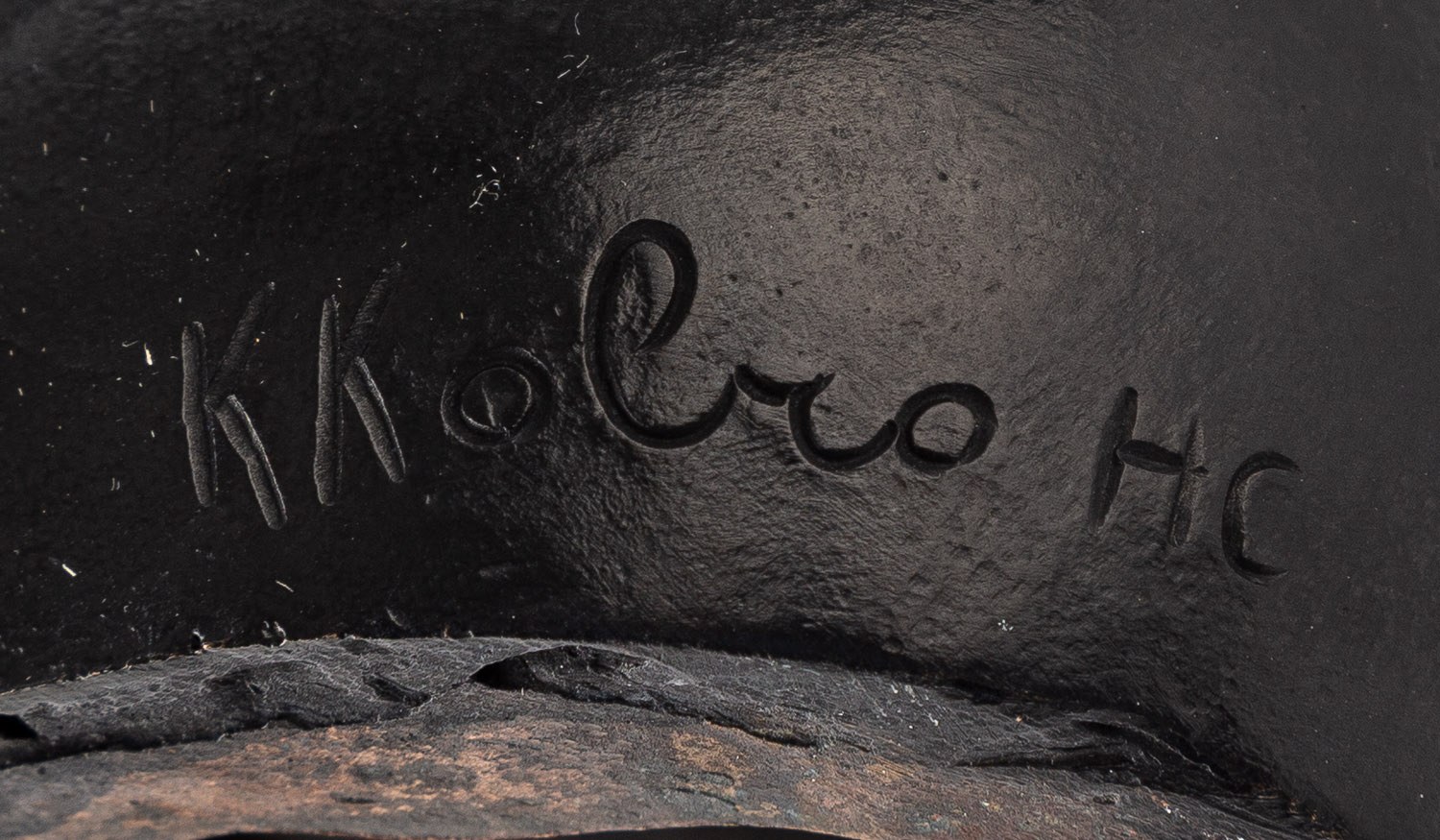
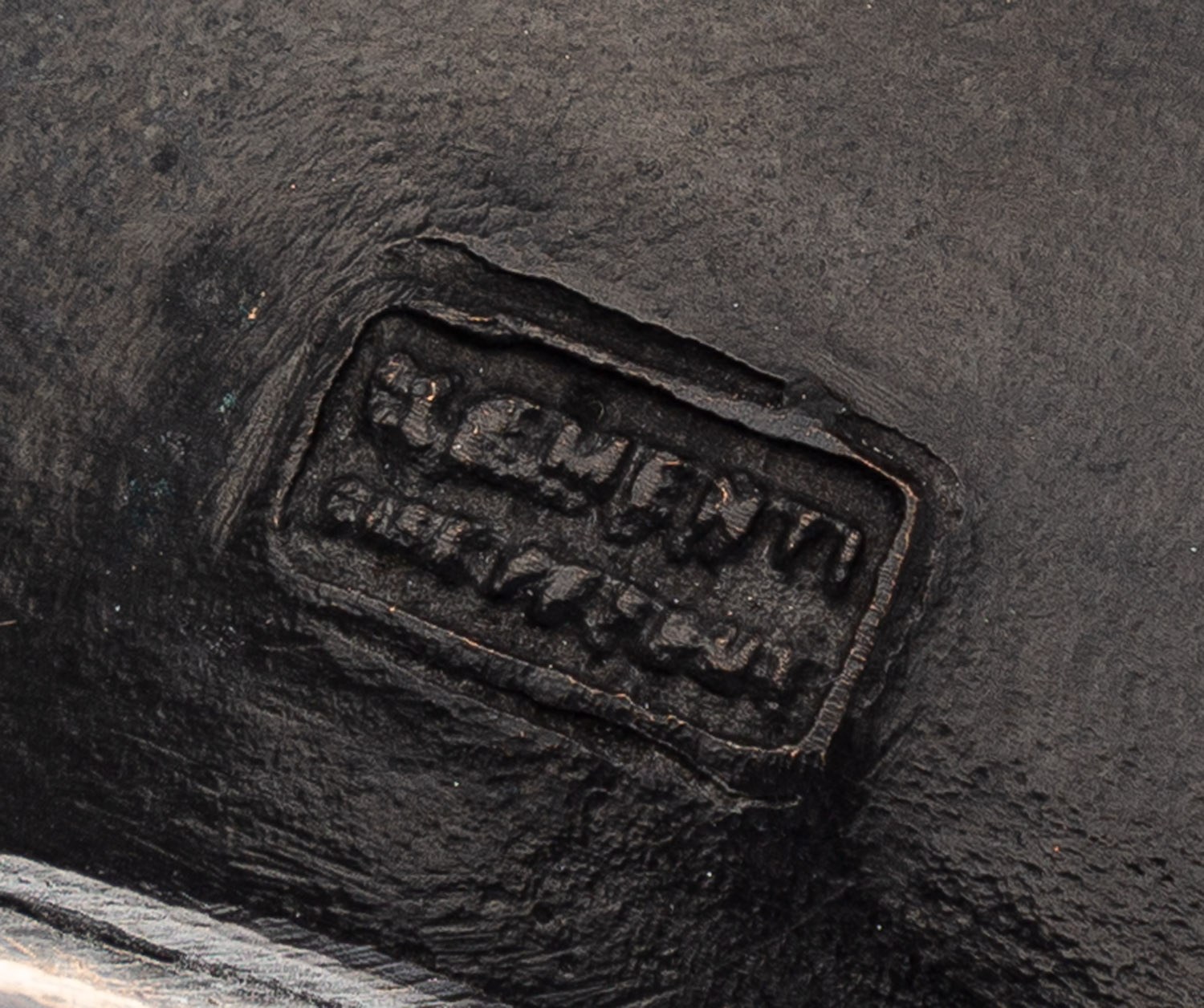
Signed: 'K. Kobro HC', foundry mark: 'CLEMENTI FONDEUR'
cast in 1990 based on original from MS in Lodz
Origin
Private collection, Paris
Private collection, Szczecin
Literature
Katarzyna Kobro 1898-1951. on the centenary of her birth, exhibition catalog, Museum of Art in Lodz, ed. by Elżbieta Fuchs and others, Lodz 1998, cat. no. I.8., p. 128
Nika Strzemińska, Katarzyna Kobro, Warsaw 1999, pp. 124-126 (ill.).
Biography
She was the wife of avant-garde artist Władysław Strzemiński. Her only child was Nika Strzeminska (died 2001) Katarzyna Kobro was friends with Julian Przybos and Jan Brzękowski. She co-founded the art groups "Blok", "Praesens" and "a.r." (meaning "real avant-garde" or "artists of the revolution"). She revolutionized thinking about sculpture. She moved away from the notion of sculpture as a solid. Influenced by Constructivism, she rejected individualism, subjectivism and expressionism in art, and in their place advocated absolute objectivity of form; her primary goal was the construction of an abstract work of art, based on universal and objective laws, discovered through experiment and analysis. The starting point of Katarzyna Kobro's concept of sculpture is the abstract notion of infinite space. Space conceived in this way is homogeneous and has no special places, no point of reference (such as the center of the coordinate system). Hence, Kobro strived in her works to organize space in such a way that there was no division between the space enclosed in the solid and the surroundings, but that the work coexisted with the space, allowing it to interpenetrate. At the same time, from the concept of homogeneity of space comes the elimination of the compositional center, so that each point of the sculpture is equally important. In 2009. Television Theater produced a play called Powidoki, which showed the private lives of Katarzyna Kobro and Władysław Strzemiński. Most of her works are in the Museum of Art in Lodz. A prize named after her has been awarded since 2001.


![Katarzyna Kobro (1898-1951), [rzeźba, 1948, odlew po 1989] Akt kobiecy - stojący](https://img1.one.bid/img/1863/365057_1w.webp?1772023784)










