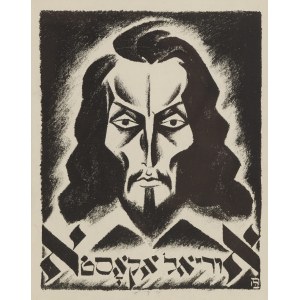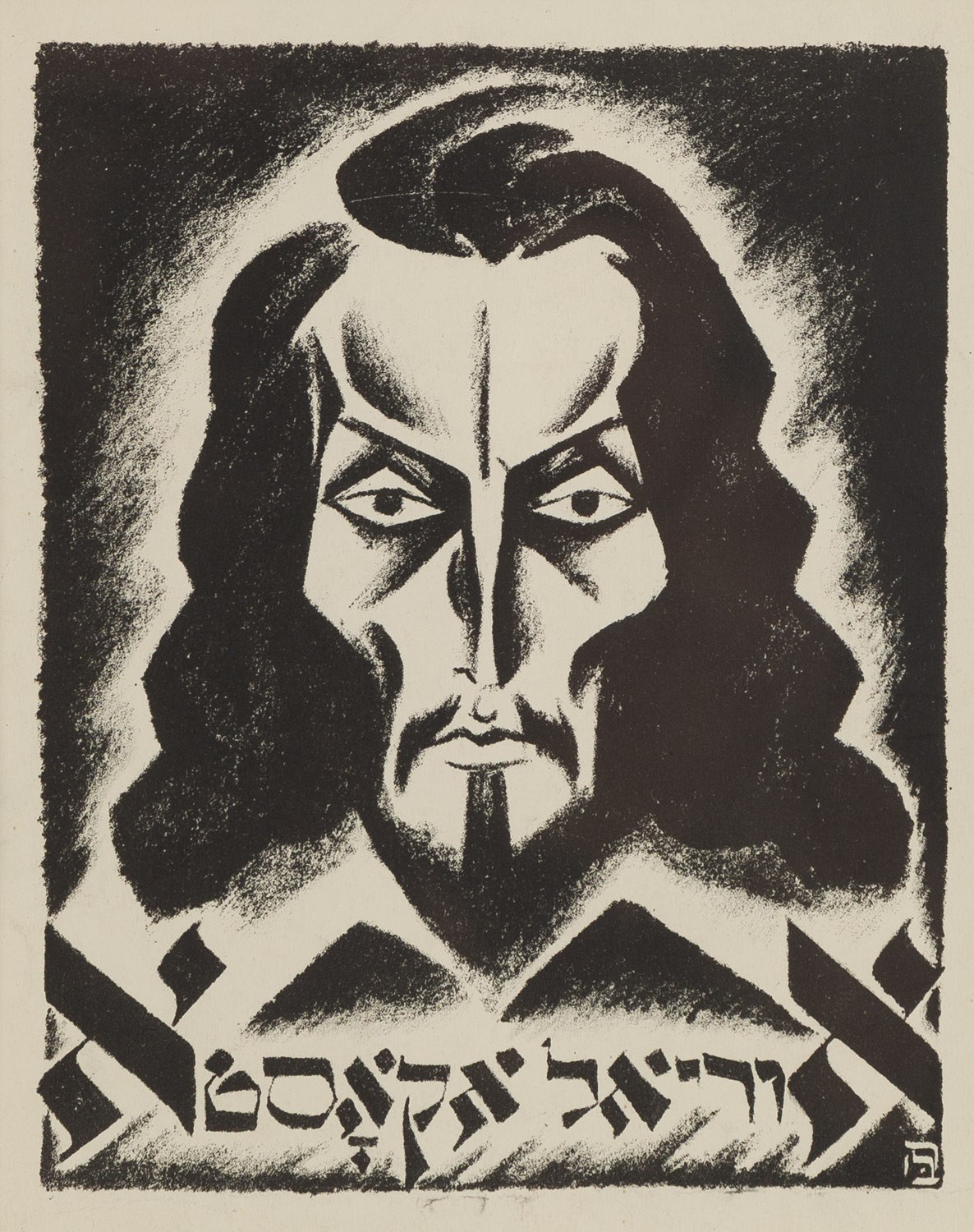
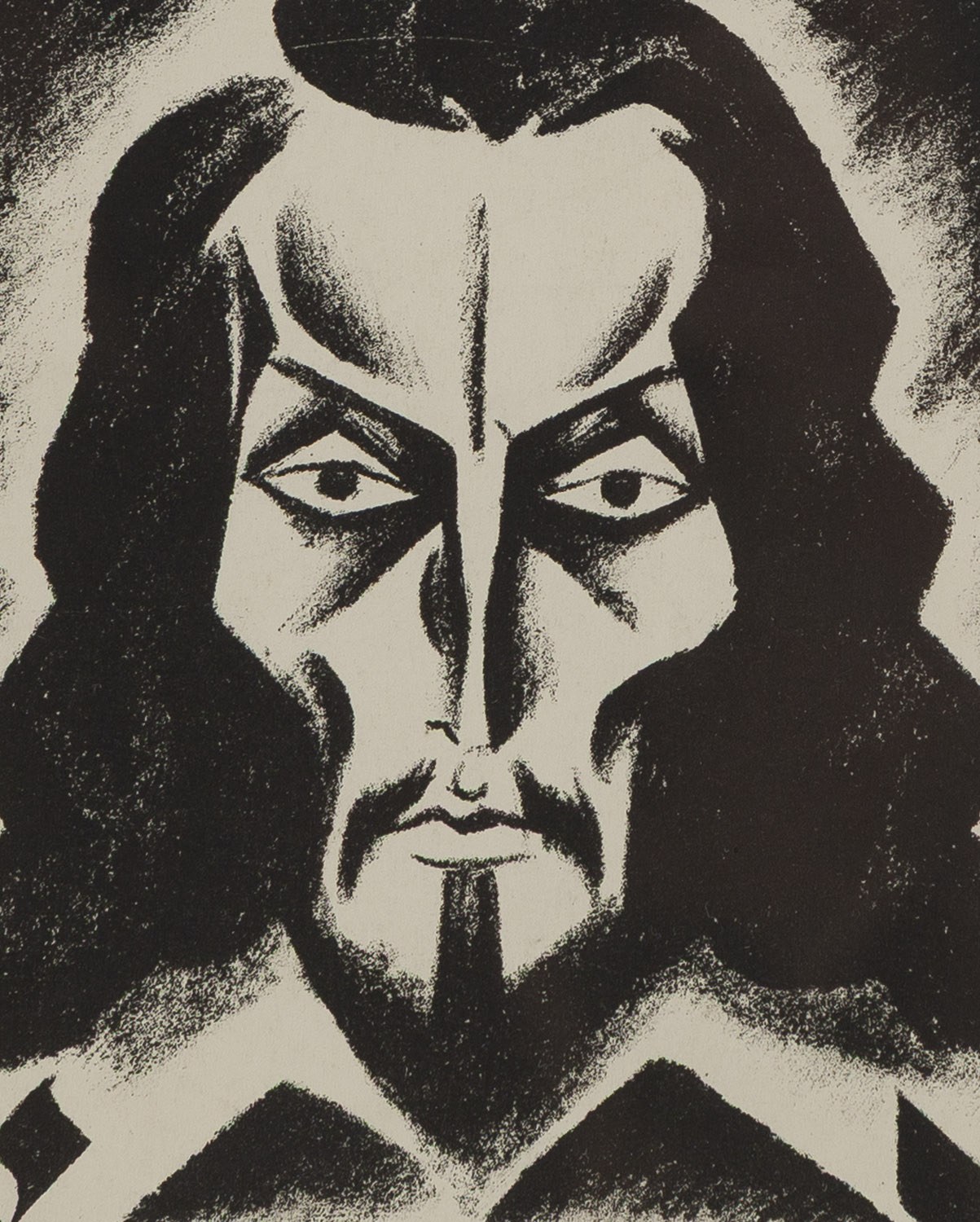
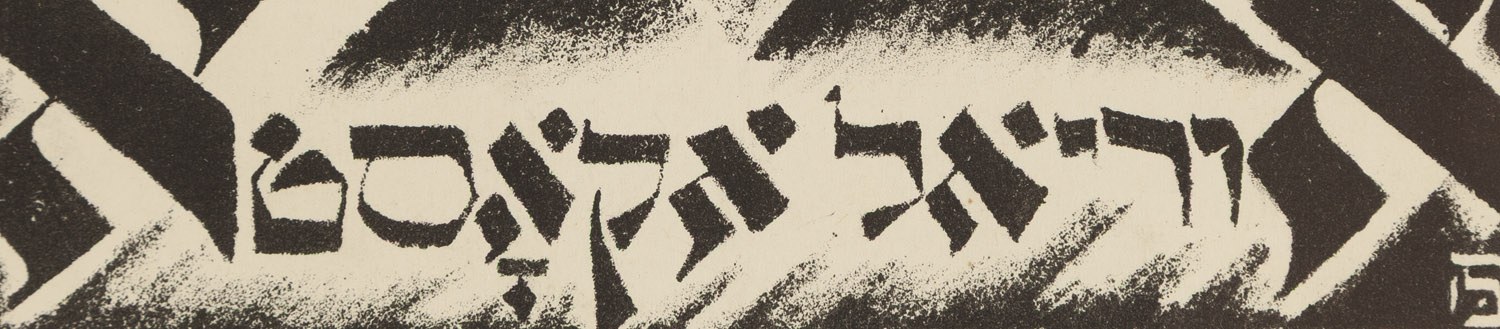
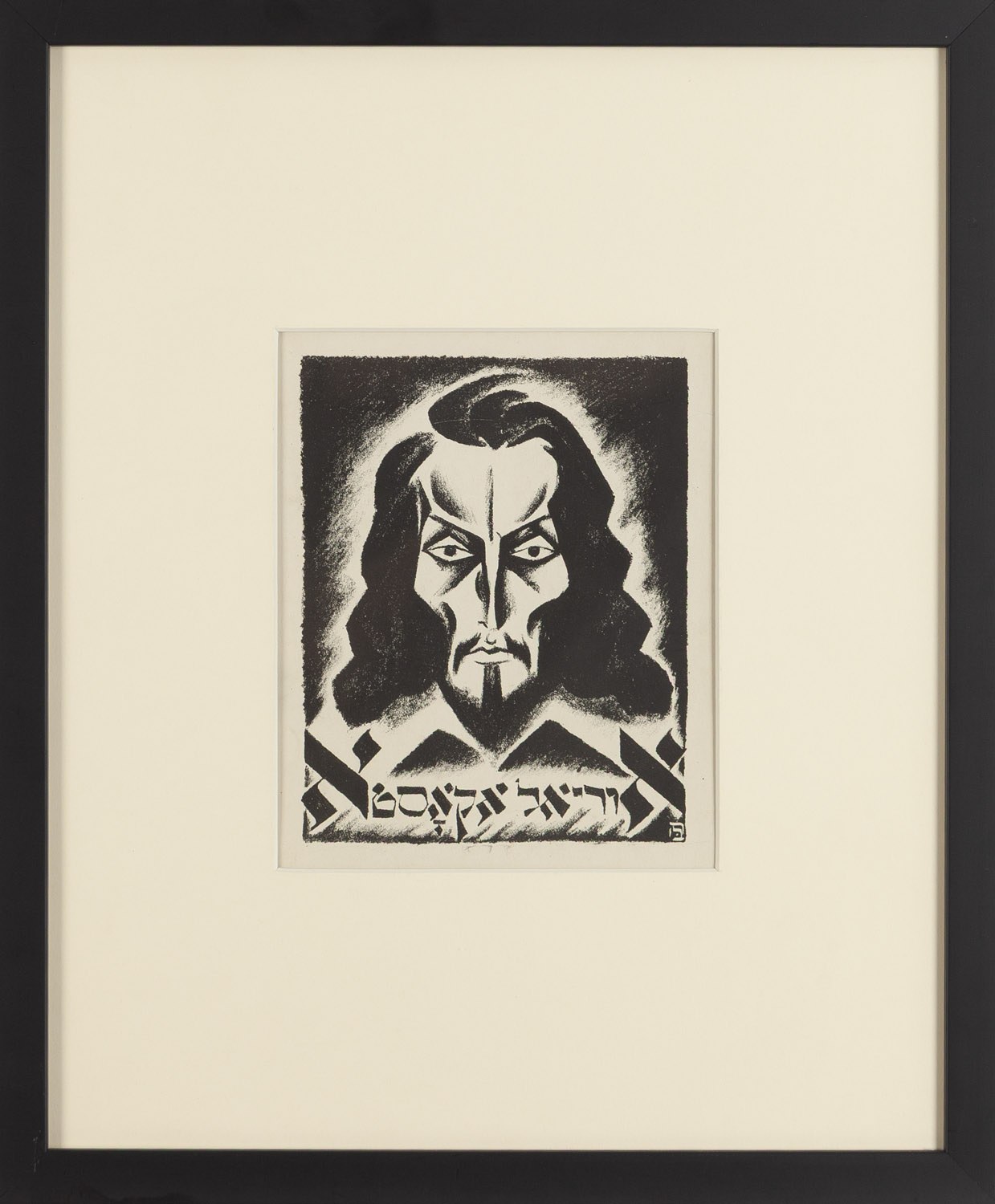

Dimensions: 19 x 15.5 cm
Source
purchased from the artist
Gmurzynska Gallery, Cologne
private collection, Europe
Exhibited
Retrospective Exhibition of H. Berlewi. Paintings, Drawings, Prints, Mechano-Fakturen, Sculptures from 1908 to the Present, Institut Français, October–November 1964
Bibliography
Retrospective Exhibition of H. Berlewi. Paintings, Drawings, Prints, Mechano-Fakturen, and Sculptures from 1908 to the Present, introduction by Will Grohmann and Maurice Besset, Berlin 1964, item 8.
Magdalena Frankowska, Artur Frankowski, Berlewi, Czysty Warsztat, Warsaw 2009, pp. 28, 149, ill. p. 29
- The Hammer Price and Auction Fee are net amounts, to which German value-added tax (VAT) at a rate of 7% will be added
- This item is subject to an Import Fee for items imported from outside the European Union customs territory, amounting to 8% of the Hammer Price. Items subject to the Import Fee are subject to temporary admission procedures.
- A “droit de suite” fee will be added to the winning bid amount. For an auction price equivalent to up to 50,000 EUR, the fee rate is 5%. The fee is calculated using the average euro exchange rate announced by the National Bank of Poland (NBP) on the day preceding the auction.
Biography
He studied at the Academy of Fine Arts in Warsaw (SSP) and subsequently continued his studies in Antwerp and at the École des Beaux-Arts in Paris. He is considered a pioneer of Op Art. A representative of the most avant-garde movement in Polish modern art. He was a member of the “Blok” group and was also associated with the European artistic avant-garde—including T. van Doesburg, V. Eggeling, M. van der Rohe, L. Moholy-Nagy. His interest in Constructivism was shaped by El Lissitzky, whom he met. In the 1920s, he exhibited and lived in Berlin. There, he had a solo exhibition in 1926 at the Der Sturm gallery. In 1924, he published the “Mechano-Faktura” manifesto, in which he rejected painting that created the illusion of space in favor of two-dimensional canvases. He limited his color palette to white, black, and red and used stencils. In 1928, he settled permanently in Paris and returned to figurative painting—painting mainly portraits. Recognized by international critics as one of the several hundred most outstanding artists of the 20th century (“ART of the 20th Century,” TASCHEN 2000)