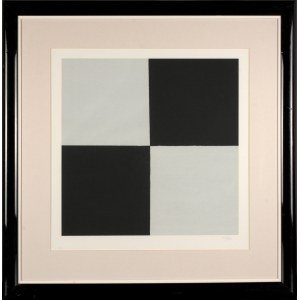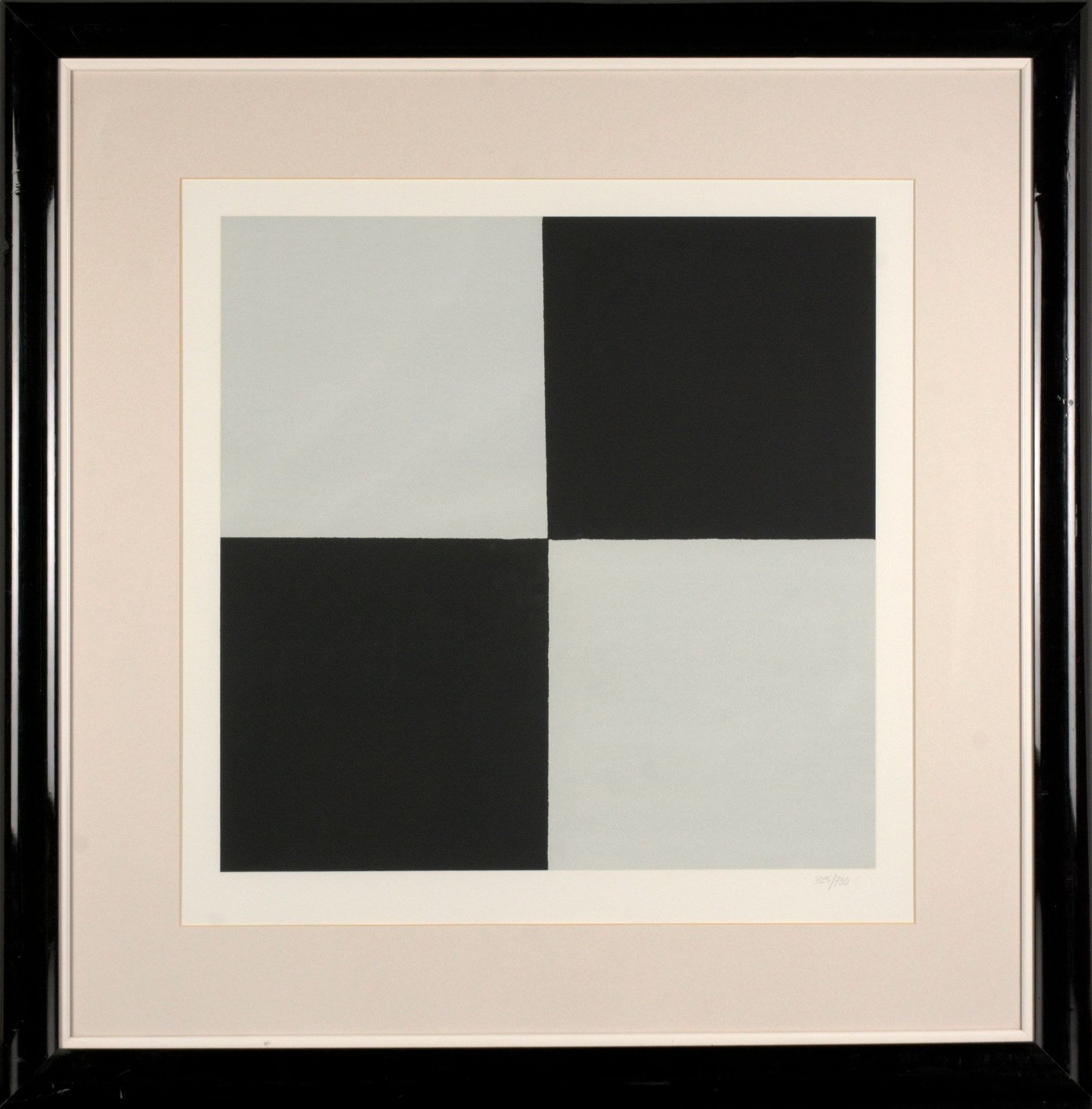
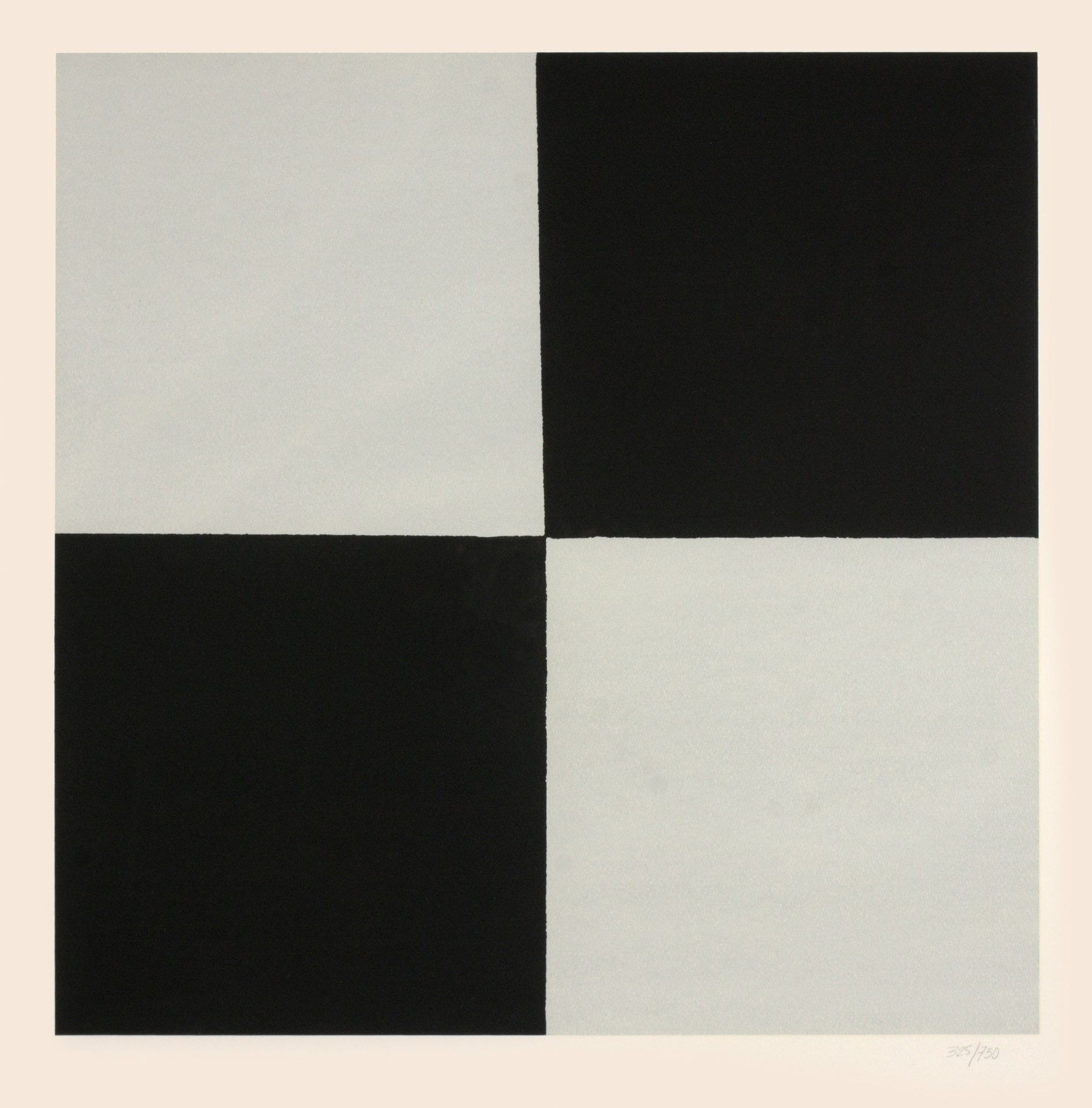
Serigraphy, paper 60 x 60 cm in light passe - partout; in a double black and white frame 90 x 90 cm'; edition 325/750. Squares in black and white are the most characteristic part of Malevich's work.
He came from a Polish Catholic noble family residing in Russia, and Malevich always declared his Polish origin and nationality. He was initially influenced by Paul Cézanne, the Russian Post-Impressionists, Fauvism, Expressionism and Cubism. In 1915, in St. Petersburg, he announced a program of suprematism, the most radical direction of abstractionism. He rejected the iconography of representational art, recognizing the straight line and the square, not found anywhere in nature, as symbols of man's supremacy over chaos. In June 1915 Malevich painted a picture featuring a single painting object - a black square - on a white background.
Malevich called this type of art non-objective and referred to the system of pure color supremacy he invented as suprematism. The first exhibition of suprematist works took place in St. Petersburg, in December 1915, and was held as part of the last Futurist exhibition.
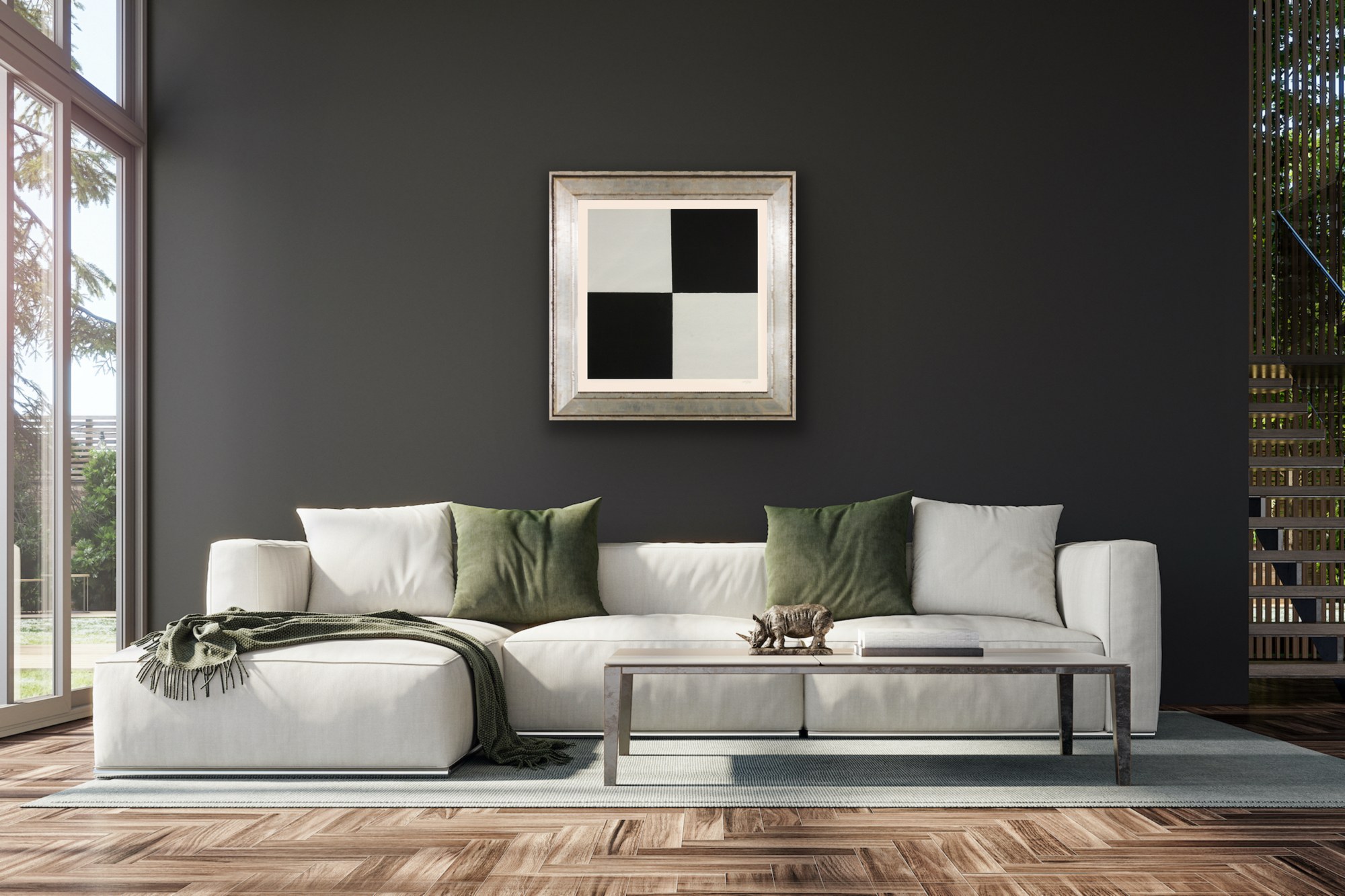
The framing shown in the visuals is for illustrative purposes only and does not constitute a commercial offer.